 Türkçe
 Deutsch
 العربية
 Azərbaycanca
 Русский
 Ελληνικά
 Español
 Français
How an Electric Bağlama's Wooden Body Should Be Built
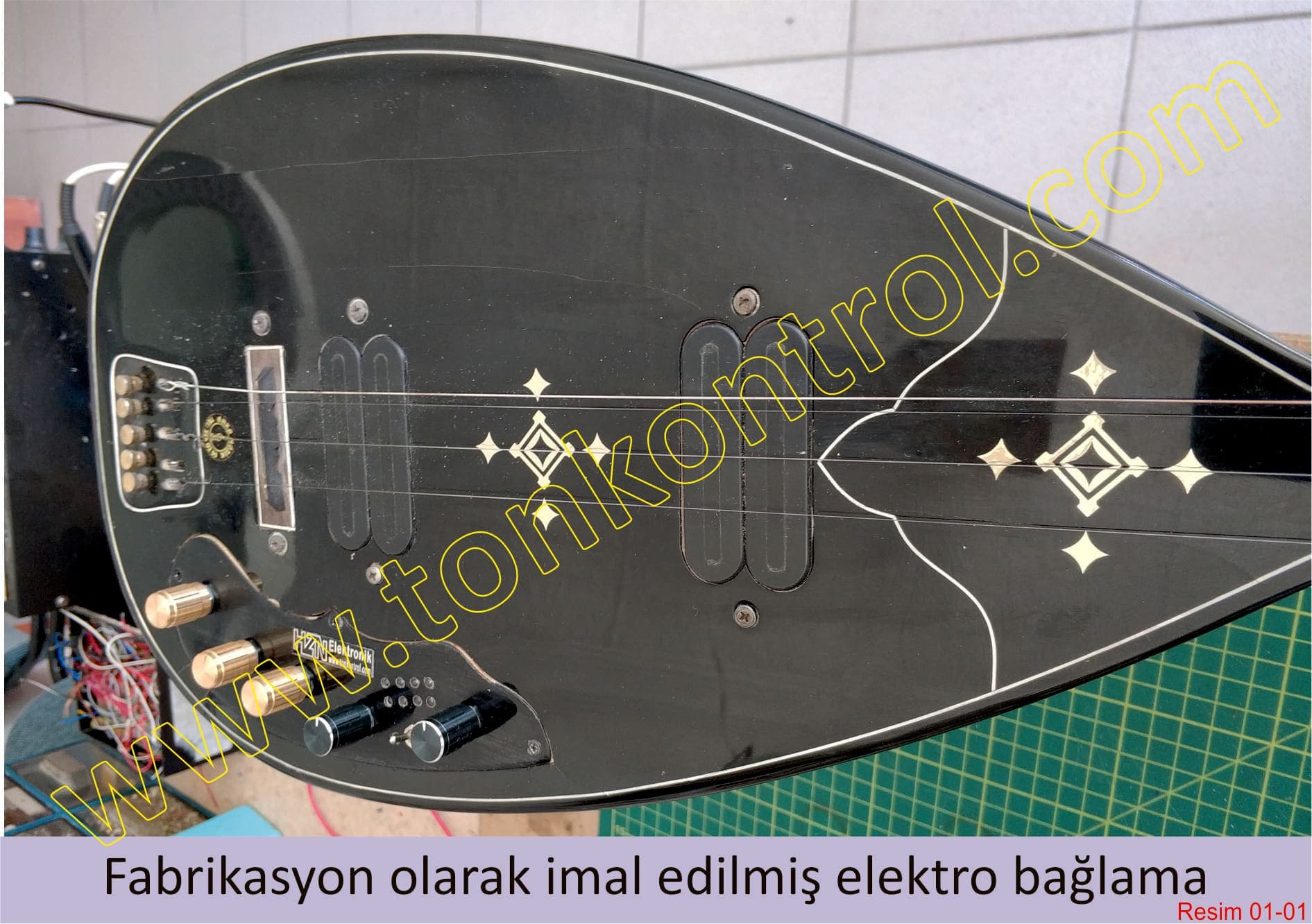
Electric bağlamas are usually designed and built as electric bağlamas from the first stage of production. The body size, top thickness, internal bracing, fine-tuning mechanism, height-adjustable bridge, decorative inlay on the instrument and so on are all designed and produced to suit the electric saz structure.
In some cases, however, we see acoustic bağlamas modified and converted into electric bağlamas. The tops of acoustic bağlamas are made thin to suit their acoustic sound. Fitting pickups to such instruments afterwards can cause the already thin top to deform over time, even if support pieces are added inside the top, and problems still occur. Another effect is that the vibrations of the acoustic top while playing also act on the pickups, producing unwanted hum and harmonic noise. Because of these and similar effects, converting an acoustic bağlama into an electric one afterwards is generally not recommended.
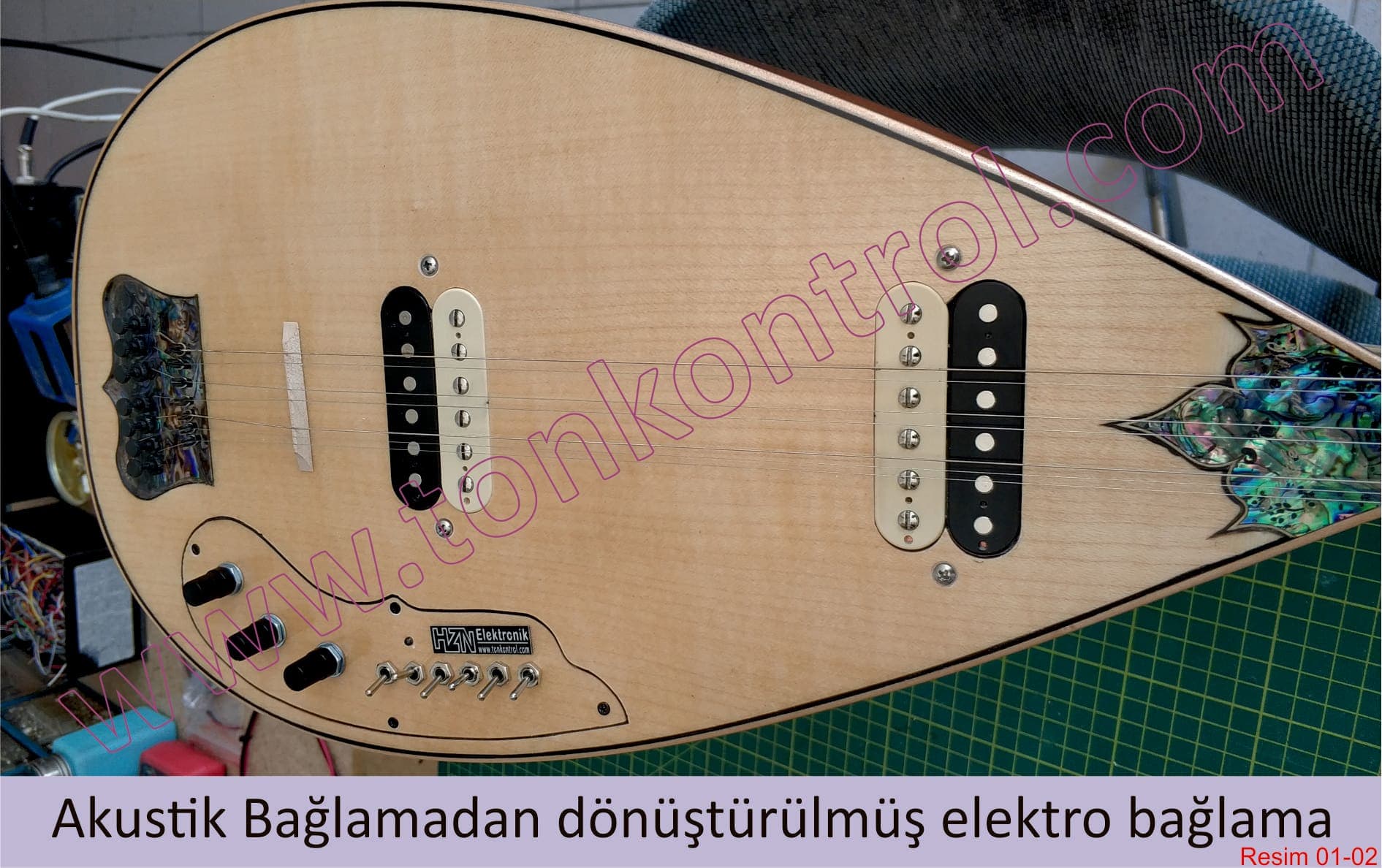
In electric bağlamas, the body size directly affects the tone. The ideal body size for electric bağlamas is 39-41 cm. Electric bağlamas with bodies smaller or larger than this do exist, but their tones differ from the ideal electric bağlama tone.
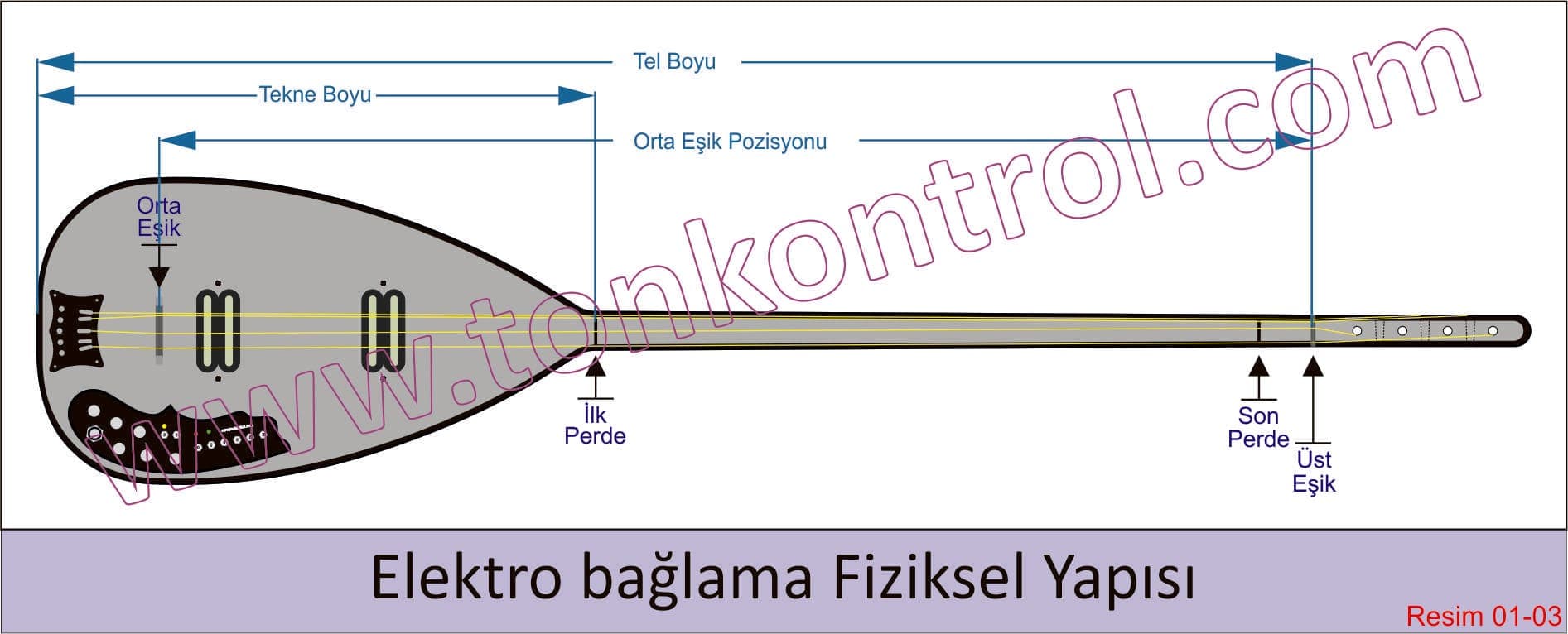
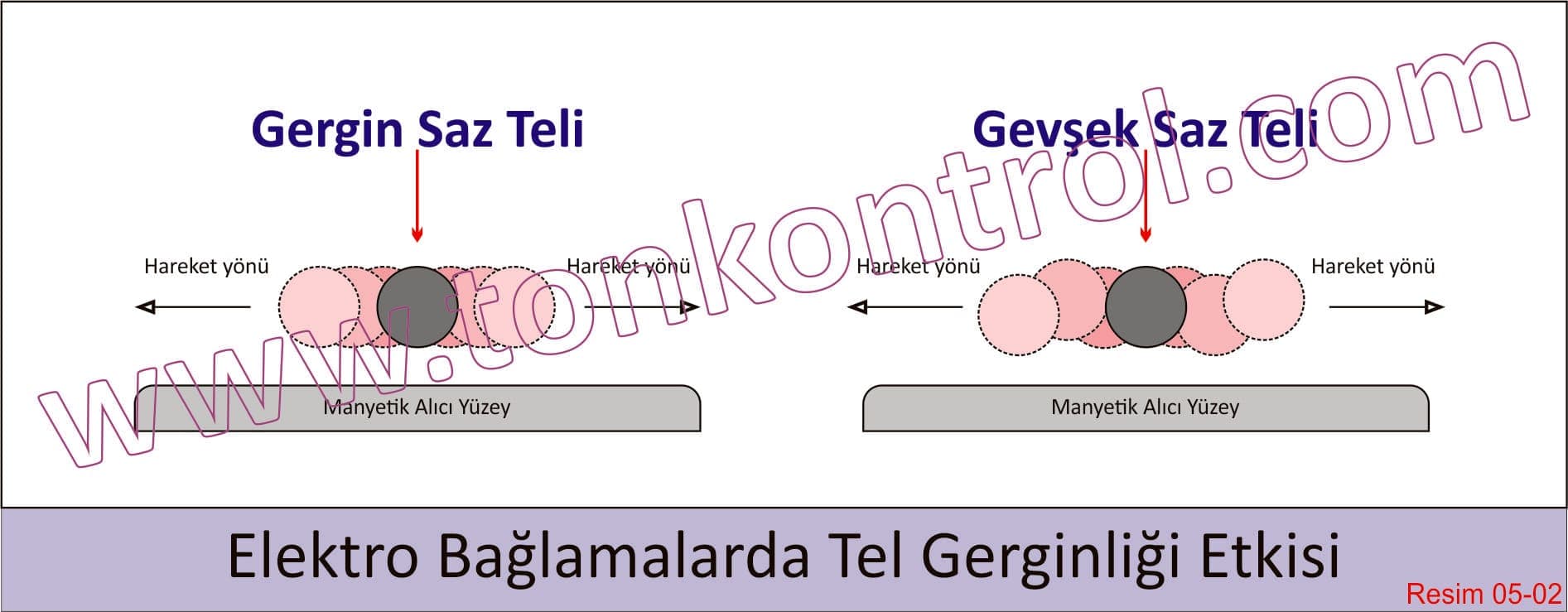
Body size determines the string length of the saz. Depending on the string length, the tension of the strings changes with the tuning you pull on the instrument. As the technical details explained in later parts will show, string tension is a factor that directly affects the tone. The tighter the strings, the cleaner the tone; the looser they are, the blurrier the tone will be...