 Türkçe
 Deutsch
 العربية
 Azərbaycanca
 Русский
 Ελληνικά
 Español
 Français
Strings and Tuning: How They Affect Electric Bağlama Tone
Earlier parts explained in detail that pickups do not sense the sound coming from the strings. They turn the vibration of the string into electrical signals. For that reason, the strings used on an electric bağlama and the tuning you pull on it have a direct and very important effect on the tone.
Since the ideal body length of an electric bağlama is between 39 and 41 cm, and the strings should be as taut as possible, the strings fitted to the instrument and the tuning you pull must be chosen accordingly.
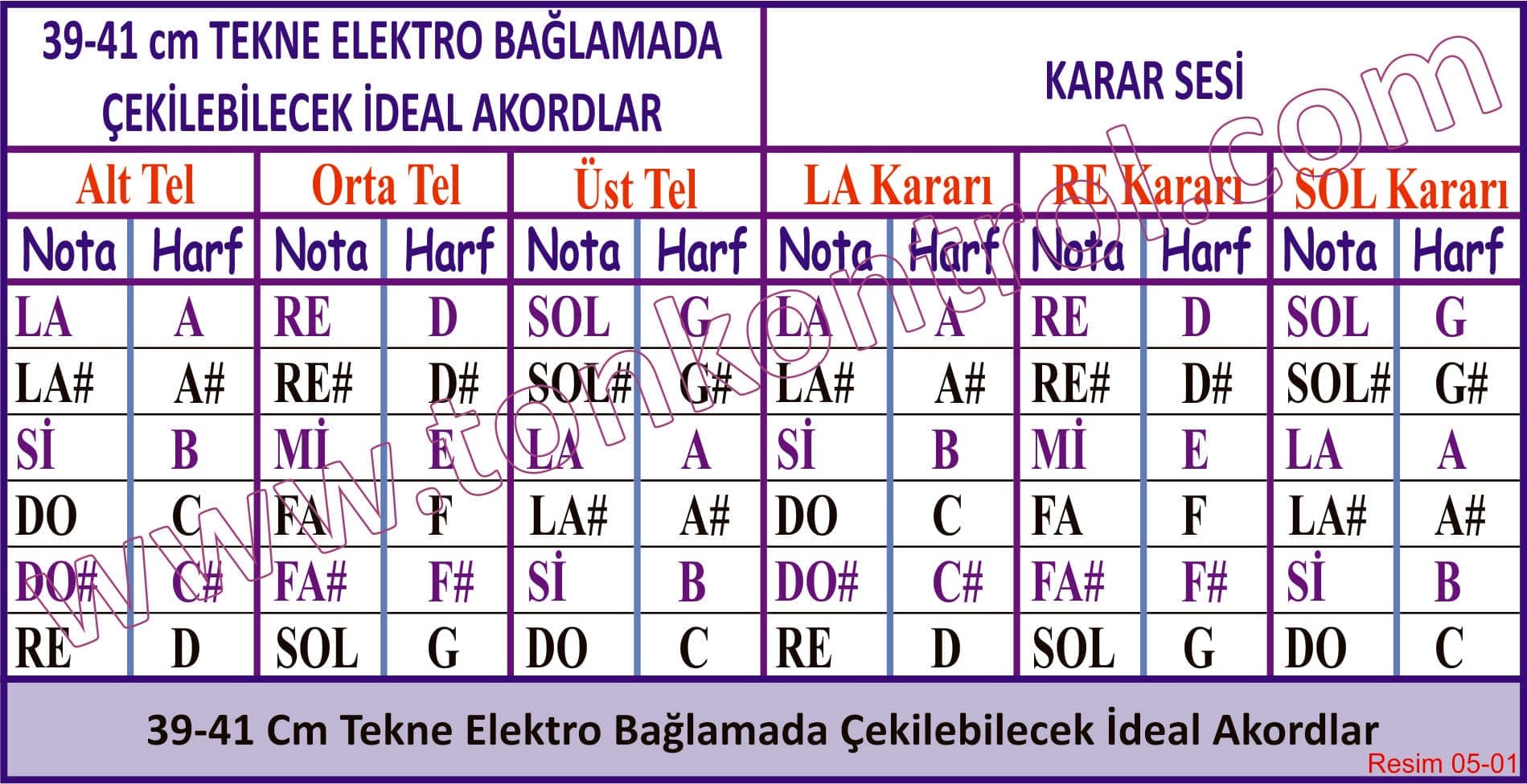
If the strings you choose and the tuning you pull leave the strings slack, they will move unsteadily while you play. That causes the tone to blur and sound muffled.
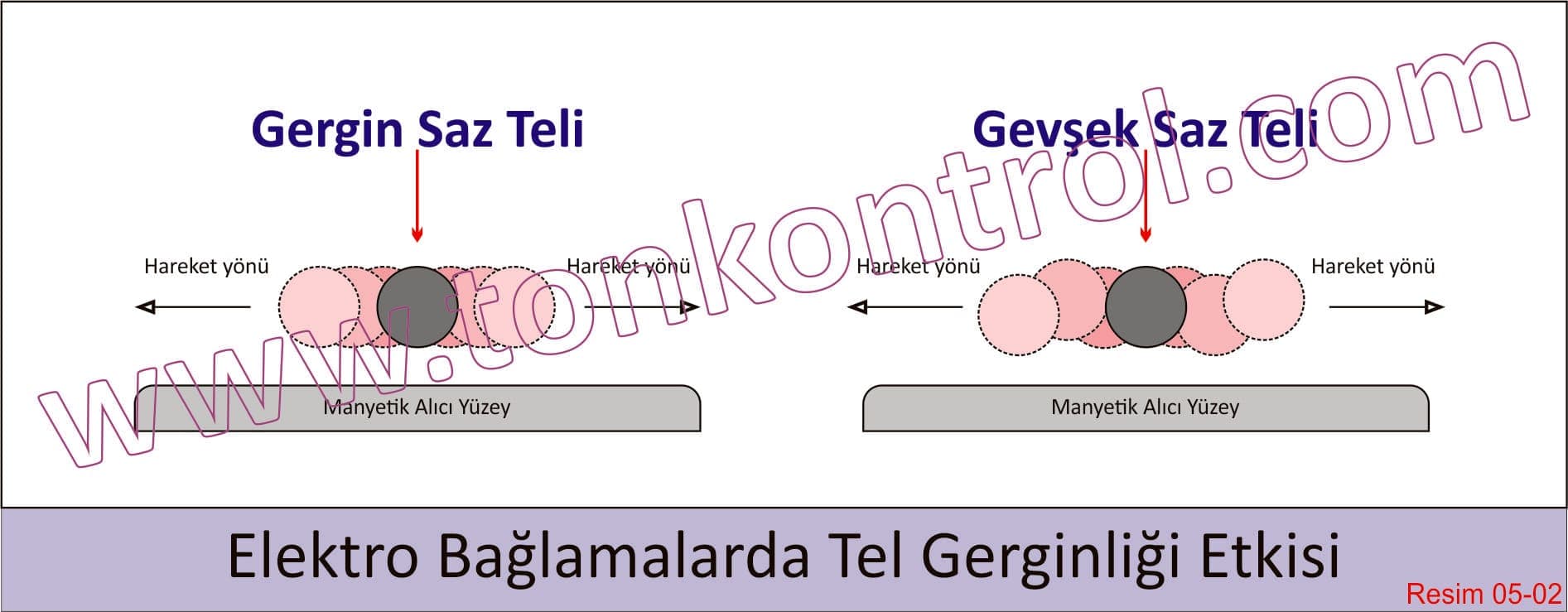
The thickness of the strings used on electric bağlamas varies with the body size and the tuning you pull. The bottom string is usually chosen at 0.18 mm, 0.20 mm or 0.22 mm, and the middle and top string thicknesses are set to match that bottom string. A thinner string suits a small body with a high tuning, and a thicker string suits a large body with a low tuning. The key point to remember is that as strings get thicker, the tone becomes fuller and blurrier; as they get thinner, the tone becomes leaner and clearer.
Taking this relationship between body size, string thickness and tuning into account, the right combination can be found by trying out combinations until it matches the tone the musician prefers.
It almost goes without saying that, for an ideal, clean tone, high-quality steel strings made specifically for electric bağlamas should be used.
Conclusion
This article looked at the factors that directly affect the tone (sound character) of electric bağlamas. It has been written as plainly as possible, without burying readers in technical detail, so that users can follow it.
Beyond the factors listed here, there are also things that affect tone indirectly: the quality of the cable between the saz and the device, the features of the amp or mixer used, mains hum and interference, and so on. We will try to publish review articles on these and similar factors in the future.
I hope it is useful to all musicians and everyone involved, and I look forward to your comments and suggestions…